
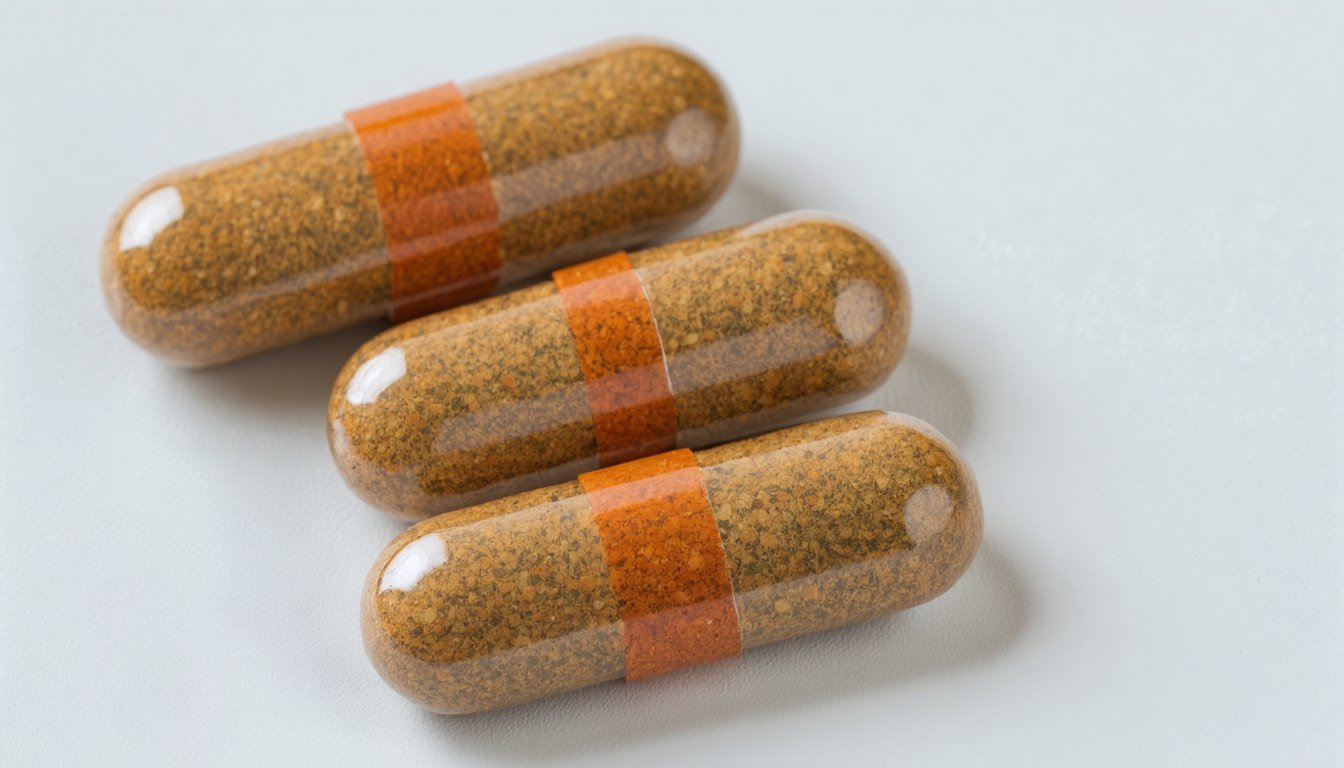
«Herbal Viagra alternatives» — answers to the main questions
Disclaimer: This content is for informational purposes only and does not replace medical advice. Erectile dysfunction (ED) and sexual health concerns should be discussed with a qualified healthcare professional.
Frequently asked questions (FAQ block at the beginning)
What are “herbal Viagra alternatives”?
Herbal Viagra alternatives are plant-based supplements marketed to improve erectile function, libido, or sexual performance. They are often sold as “natural” remedies and may contain ingredients such as ginseng, maca, L-arginine, or yohimbine. Unlike prescription medications (e.g., sildenafil), these products are not approved drugs for ED treatment.
Why do men look for natural erectile dysfunction remedies?
Common reasons include fear of side effects, embarrassment about seeking medical help, cost of prescription drugs, or a preference for “natural” products. Cultural beliefs and online marketing also play a strong role. In some cases, men may not realize that ED can signal underlying health issues.
How can I recognize erectile dysfunction?
ED is defined as the persistent inability to achieve or maintain an erection sufficient for satisfactory sexual performance. Occasional difficulties are common, especially during stress. If the problem lasts more than a few weeks or causes distress, medical evaluation is recommended.
Do herbal supplements really work like Viagra?
Most herbal products do not have the same level of clinical evidence as FDA-approved medications. Some ingredients show modest benefits in small studies, but results are inconsistent. In addition, product quality and ingredient concentration can vary widely.
What are the dangers of herbal Viagra alternatives?
Risks include hidden prescription drugs in “natural” pills, interactions with blood pressure or heart medications, and side effects such as headaches, palpitations, or anxiety. Some imported supplements have been found to contain undeclared sildenafil-like substances.
Which natural ingredients are most commonly used?
Common ingredients include Panax ginseng, L-arginine, maca root, yohimbine, horny goat weed (Epimedium), and tribulus terrestris. Evidence ranges from limited to moderate, and safety profiles differ. Not all are suitable for people with cardiovascular disease.
Is it possible to improve erections without medication?
Yes. Lifestyle changes—such as regular exercise, weight management, smoking cessation, and stress reduction—can significantly improve erectile function. Treating underlying conditions like diabetes or hypertension is also crucial.
When should I see a doctor?
If ED is persistent, worsening, or accompanied by chest pain, shortness of breath, or symptoms of low testosterone, seek medical advice. ED can be an early warning sign of cardiovascular disease. Sudden onset after starting a new medication should also be evaluated.
Can stress and mental health cause erectile problems?
Yes. Anxiety, depression, performance pressure, and relationship problems can all contribute. Psychological counseling or sex therapy may be helpful, especially in younger men without chronic illness.
Are “natural male enhancement” pills regulated?
In many countries, dietary supplements are less strictly regulated than prescription drugs. Authorities such as the U.S. Food and Drug Administration (FDA) regularly issue warnings about contaminated or misbranded sexual enhancement products.
Is it safe to combine herbal remedies with prescription ED drugs?
Combining products without medical supervision is not recommended. Some herbs can amplify blood pressure–lowering effects or increase side effects. Always inform your healthcare provider about any supplements you take.
Can erectile dysfunction be prevented?
While not all cases are preventable, maintaining cardiovascular health, controlling blood sugar, limiting alcohol, and staying physically active reduce risk. Early screening for chronic diseases is key.
Detailed breakdown
1. How prescription ED drugs differ from herbal alternatives
Prescription medications such as sildenafil (Viagra), tadalafil, and vardenafil are phosphodiesterase type 5 (PDE5) inhibitors. They work by enhancing blood flow to the penis during sexual stimulation. Their safety, dosage, and interactions have been extensively studied in clinical trials.
By contrast, herbal supplements may aim to improve nitric oxide production, hormone balance, or energy levels. However, clinical evidence is often limited, sample sizes are small, and formulations vary. This makes outcomes less predictable.
2. Evidence behind common natural ingredients
Panax ginseng: Some randomized trials suggest modest improvement in erectile function scores, but quality varies.
L-arginine: An amino acid involved in nitric oxide production; may offer mild benefit, especially combined with other compounds.
Yohimbine: Derived from tree bark; may improve certain cases of ED but is associated with anxiety, elevated blood pressure, and heart rate.
Maca: Traditionally used to enhance libido; evidence for erection quality is limited.
No herbal supplement has demonstrated the consistent effectiveness of approved PDE5 inhibitors. For more updates on medical innovations, see our Tecnología section.
3. Safety concerns and regulatory warnings
Health authorities have repeatedly identified sexual enhancement supplements adulterated with hidden prescription drugs. This poses serious risks for people taking nitrates for chest pain or certain antihypertensive medications.
Men with heart disease, liver or kidney disorders, or those using antidepressants should be particularly cautious. Public safety alerts are frequently covered in our Noticias section.
4. Erectile dysfunction as a cardiovascular signal
ED is sometimes described as a “canary in the coal mine” for heart health. The penile arteries are smaller than coronary arteries, so vascular problems may appear earlier as erection difficulties.
Screening for high blood pressure, high cholesterol, obesity, and diabetes is essential. Lifestyle medicine approaches discussed in Generales often emphasize prevention strategies that also benefit sexual health.
5. Psychological and relationship factors
Performance anxiety can create a cycle of stress and erectile difficulty. Depression reduces libido and energy. Relationship conflicts may also manifest as sexual dysfunction.
In such cases, herbal stimulants rarely address the root cause. Counseling, cognitive behavioral therapy, or couples therapy may provide more sustainable improvement.
Checklist: what you can do today
- Schedule a general health check-up, including blood pressure and glucose screening.
- Review all medications with your doctor to identify possible side effects affecting erections.
- Engage in at least 150 minutes of moderate physical activity per week.
- Adopt a heart-healthy diet rich in vegetables, whole grains, and healthy fats.
- Stop smoking and limit alcohol intake.
- Prioritize 7–9 hours of quality sleep per night.
- Manage stress through mindfulness, breathing exercises, or therapy.
- Avoid purchasing sexual enhancement pills from unverified online sources.
- Discuss psychological or relationship concerns openly with your partner.
- Seek professional advice before trying any supplement labeled as “natural Viagra.”
When to seek urgent or routine care
| Symptom / Situation | Urgency level | Where to seek help |
|---|---|---|
| ED lasting more than 3 months | Routine medical evaluation | Primary care physician or urologist |
| ED with chest pain or shortness of breath | Emergency | Emergency department / call emergency services |
| Sudden ED after starting a new medication | Soon (non-emergency) | Prescribing doctor |
| Severe anxiety or depressive symptoms | Prompt evaluation | Mental health professional |
| Use of unregulated supplement with side effects | Depends on severity | Doctor or poison control center |
Sources
- U.S. Food and Drug Administration (FDA) – Tainted Sexual Enhancement Products Alerts.
- National Institute of Diabetes and Digestive and Kidney Diseases (NIDDK) – Erectile Dysfunction.
- American Urological Association (AUA) – Clinical Guidelines on Erectile Dysfunction.
- European Association of Urology (EAU) – Guidelines on Sexual and Reproductive Health.
- Mayo Clinic – Erectile Dysfunction Overview.
- National Institutes of Health (NIH) Office of Dietary Supplements – Dietary Supplement Fact Sheets.
- World Health Organization (WHO) – Cardiovascular Disease Fact Sheets.
Te puede Interesar
 Potency improvement supplements: from first symptoms to the right medical decision
Erectile dysfunction treatment: glossary, explanation and practical checklist
Performance Enhancement Drugs: Myths, Facts, and Practical Guidance for Athletes and the Public
Impotence medication: what it is and what your next step should be
ED pills: guía médica segmentada para un uso seguro e informado
Potency improvement supplements: from first symptoms to the right medical decision
Erectile dysfunction treatment: glossary, explanation and practical checklist
Performance Enhancement Drugs: Myths, Facts, and Practical Guidance for Athletes and the Public
Impotence medication: what it is and what your next step should be
ED pills: guía médica segmentada para un uso seguro e informado